Poison Oak Removal in Montgomery County, PA
Poison oak removal services focus on safely eliminating this hazardous plant from residential properties, yards, and outdoor spaces. These services typically involve identifying and carefully removing poison oak bushes, vines, and root systems to prevent regrowth and reduce the risk of skin irritation or allergic reactions. Projects can range from clearing small patches in garden beds to extensive removal of poison oak across larger landscapes, especially in areas where the plant has spread or become a safety concern.
Property owners considering poison oak removal usually want to understand the scope of the work, including how the plant will be safely eradicated without damaging surrounding vegetation. It's also common to inquire about the methods used for removal, the potential for regrowth, and any follow-up treatments needed to maintain a poison oak-free environment. Proper removal helps ensure outdoor spaces remain safe and accessible for family activities, gardening, and outdoor recreation.
Many property owners in Montgomery County, PA look into Poison Oak Removal for repairs, replacements, upgrades, and appearance-related improvements.

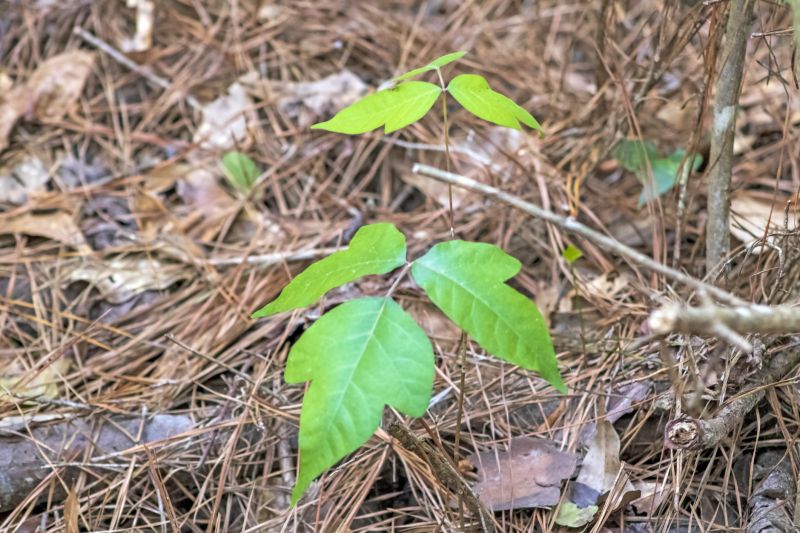
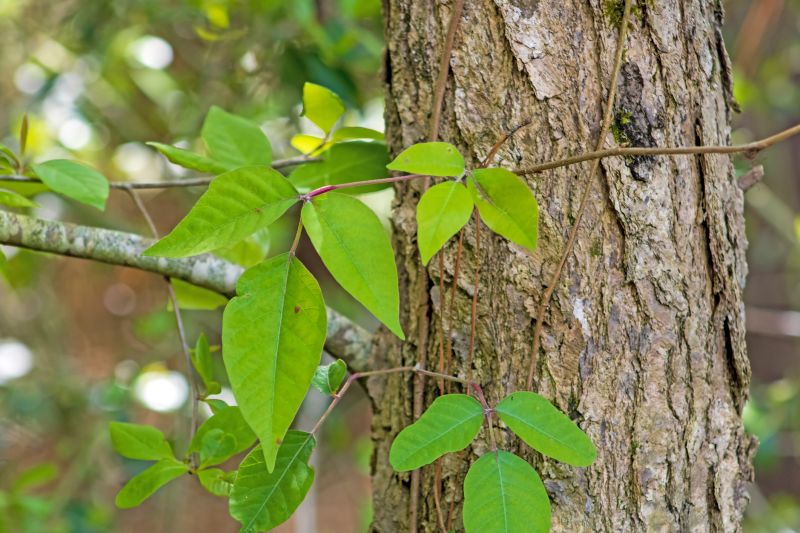
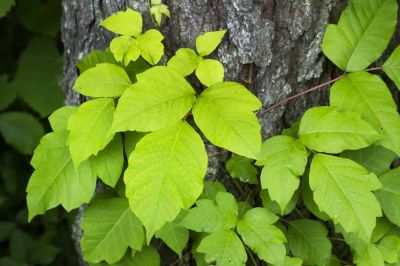
Identifying Poison Oak
Learn how to recognize poison oak plants on residential and commercial properties in montgomery county, pa.
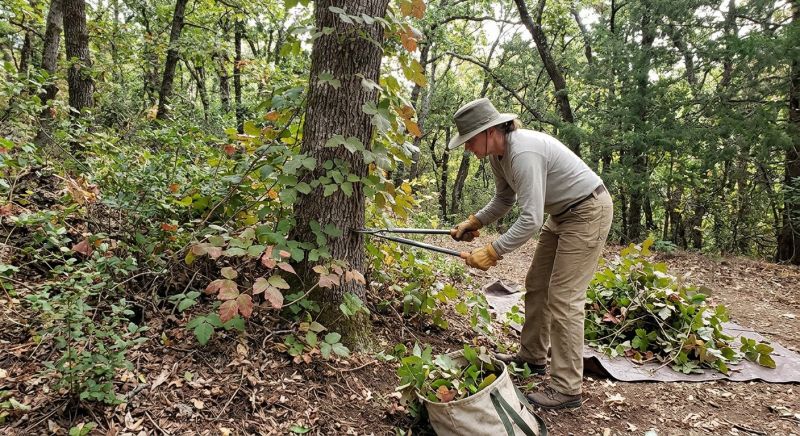
Safe Removal Techniques
Effective methods are used to remove poison oak safely from yards, trails, and wooded areas.
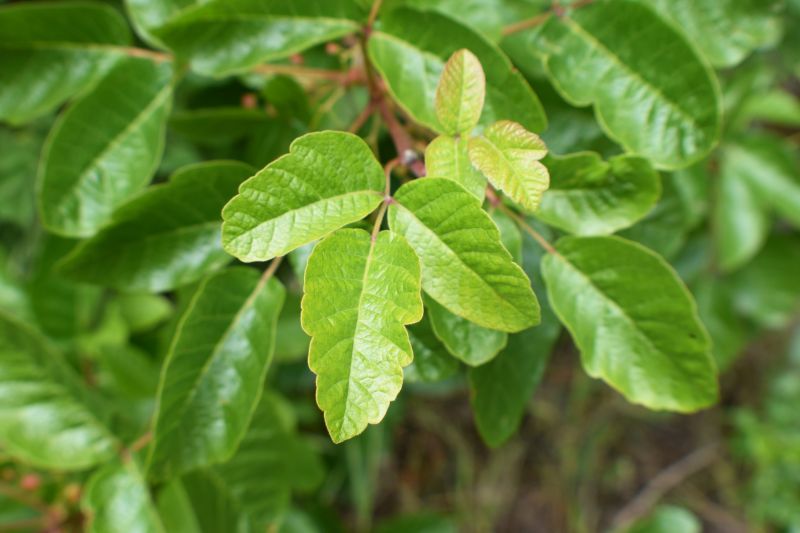
Preventing Future Growth
Strategies are available to help property owners minimize the return of poison oak on their land.
Poison Oak Removal in Montgomery County, PA

Poison oak removal services focus on safely eliminating this hazardous plant from residential properties, yards, and outdoor spaces. These services typically involve identifying and carefully removing poison oak bushes, vines, and root systems to prevent regrowth and reduce the risk of skin irritation or allergic reactions. Projects can range from clearing small patches in garden beds to extensive removal of poison oak across larger landscapes, especially in areas where the plant has spread or become a safety concern.
Property owners considering poison oak removal usually want to understand the scope of the work, including how the plant will be safely eradicated without damaging surrounding vegetation. It's also common to inquire about the methods used for removal, the potential for regrowth, and any follow-up treatments needed to maintain a poison oak-free environment. Proper removal helps ensure outdoor spaces remain safe and accessible for family activities, gardening, and outdoor recreation.
Many property owners in Montgomery County, PA look into Poison Oak Removal for repairs, replacements, upgrades, and appearance-related improvements.
Common Poison Oak Removal Jobs
Poison Oak Removal - Safely eliminates poison oak from residential properties to prevent skin irritation.
Yard Clearing - Removes poison oak plants from lawns, gardens, and wooded areas.
Vegetation Control - Targets and removes poison oak to reduce future growth and spread.
Overgrown Area Cleanup - Clears poison oak from neglected or overgrown landscapes.
Property Maintenance - Keeps outdoor spaces safe by regularly removing poison oak.
Brush and Shrub Removal - Extracts poison oak from dense shrubbery and thick brush areas.
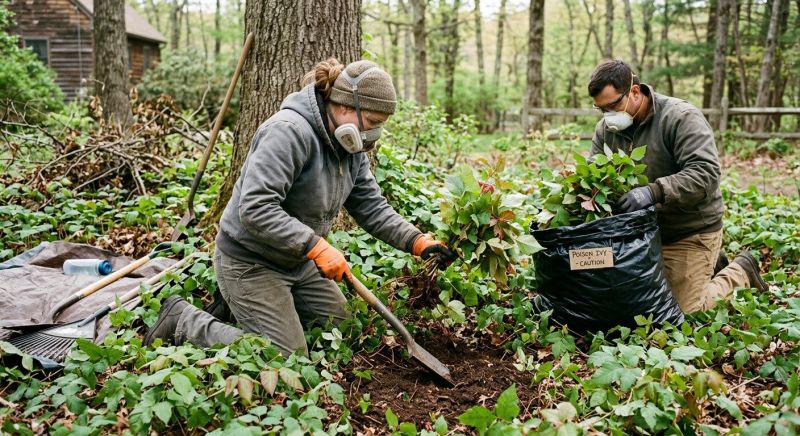
Poison Oak Removal Questions
What is poison oak removal? Poison oak removal involves safely eliminating the plant to prevent skin irritation and protect property.
When should poison oak be removed? Removal is recommended when poison oak is growing in areas accessible to people or pets, or when it poses a risk to outdoor activities.
How is poison oak removed? The process typically includes manual removal, careful cutting, and disposal of the plant to ensure it does not regrow.
Is poison oak removal safe for my property? Yes, professional removal ensures the plant is removed properly without damaging surrounding landscaping.
Request Poison Oak Removal in Montgomery County, PA
Use the quote form on this page to share the basics of your project and request more information for the type of work you need.